Mapping Demographic Influences on Reward Systems in Virtual Gambling Platforms
Geschrieben von Yves Werner · 8.10.2026
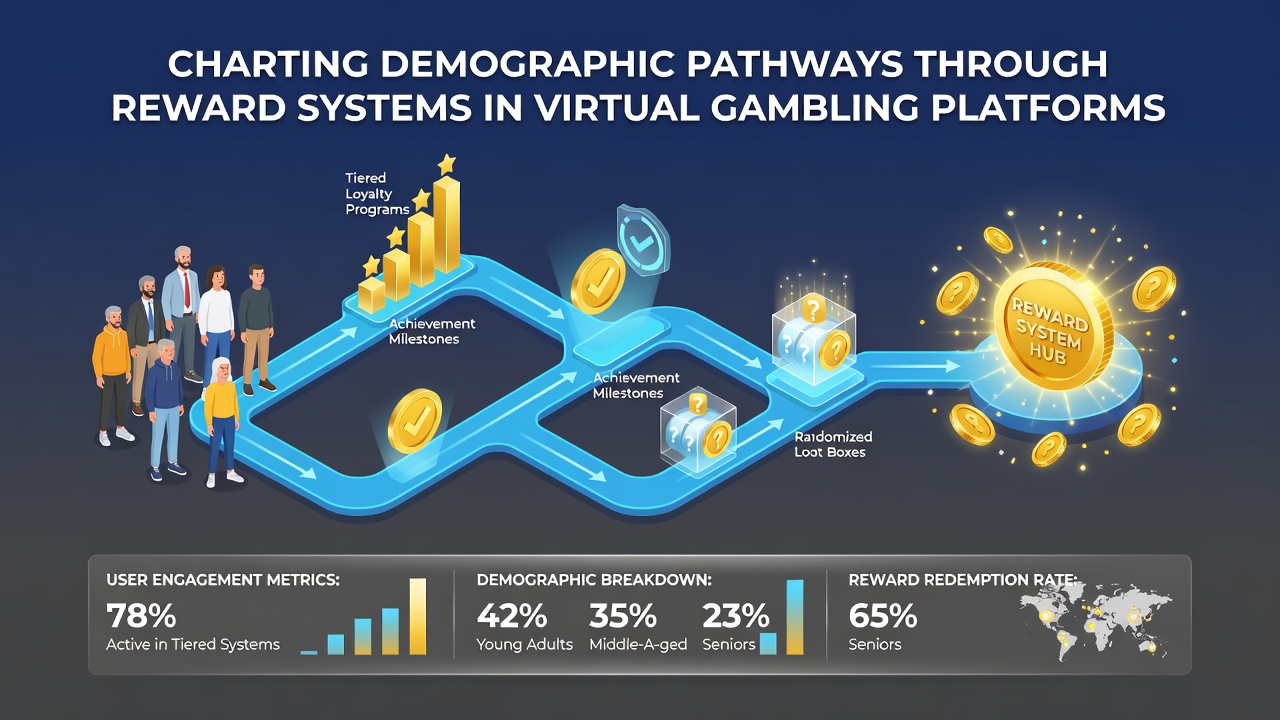
Mapping Demographic Influences on Reward Systems in Virtual Gambling Platforms
Population Patterns in Digital Wagering Incentives
Demographic pathways through reward systems in virtual gambling platforms reveal distinct patterns where age groups, geographic regions, and income levels shape how incentives get distributed and utilized, while data from multiple studies track these movements across platforms operating in October 2026. Researchers at institutions like the Canadian Centre on Substance Use and Addiction have compiled figures that show younger adults between 18 and 34 gravitate toward instant cashback offers and tiered loyalty multipliers, whereas those over 55 often select sustained reward accumulation through point-based systems that convert into merchandise or extended play credits.
Gender distributions add another layer since surveys conducted across European markets indicate male participants engage more frequently with competitive leaderboard bonuses tied to high-volume play, while female users respond to personalized milestone rewards that unlock at lower thresholds and incorporate social sharing elements. These trends emerge consistently when platforms adjust algorithms to match observed behaviors, and the result is a segmented reward landscape that aligns incentives with documented player profiles rather than uniform offerings.
Regional Variations and Platform Adaptations
Geographic differences drive significant adjustments in how virtual gambling operators structure their systems, because Australian data compiled through the Australian Gambling Research Centre demonstrates that players in urban areas prioritize time-limited deposit matches, whereas rural demographics favor ongoing cashback structures that reduce perceived risk over longer periods. Platforms operating internationally therefore deploy region-specific modules that reroute rewards based on IP location and user registration details, creating pathways that reflect local regulatory environments and cultural preferences without altering core mechanics.
Income brackets further refine these routes since higher-earning cohorts tend to unlock premium reward tiers through volume commitments, and lower-income segments receive entry-level incentives designed to maintain engagement without escalating spend. Observers note that such segmentation appears in platform analytics dashboards where conversion rates climb when rewards match the financial profiles of each cohort, and this alignment produces measurable retention lifts across multiple quarters ending in October 2026.
Data Tracking and Behavioral Correlations
Tracking technologies embedded in virtual gambling platforms collect granular information on how different demographics progress through reward ladders, while machine learning models identify correlations between initial bonus selection and long-term play frequency. One analysis released by the University of Nevada's gaming research group found that players who begin with social-media-linked referral bonuses exhibit higher cross-platform migration rates compared with those starting via standard welcome packages, and these patterns hold across age categories when controlled for session length.

Seasonal spikes around October 2026 coincide with platform updates that introduce holiday-themed reward branches, and data reveals younger users switch pathways more readily than older cohorts when new incentive structures appear. The result is a dynamic mapping process where reward systems evolve in response to demographic signals rather than static rules, and operators refine these adjustments through continuous A/B testing cycles that measure uptake by region and age band.
Platform Tools and Demographic Segmentation
Modern virtual gambling environments employ dashboard interfaces that allow operators to visualize demographic flows through each reward tier, and these tools highlight where certain groups drop off or accelerate toward higher-value incentives. Evidence from industry reports shows that platforms incorporating real-time demographic filters achieve more precise targeting, because the systems automatically redirect users toward reward options that match historical patterns observed within similar population segments. This approach reduces friction in the user journey and supports sustained participation across varied player bases.
Case examples from North American operators illustrate how segmentation by device type intersects with demographic data, since mobile-first users in the 25-40 range convert at higher rates on gamified reward progress bars, whereas desktop users over 50 prefer simplified point trackers with clear redemption timelines. Such intersections guide the development of hybrid reward structures that accommodate multiple pathways simultaneously without forcing users into mismatched options.
Conclusion
Demographic pathways through reward systems in virtual gambling platforms continue to diversify as operators refine segmentation based on accumulating data sets, and the patterns documented through October 2026 demonstrate consistent alignment between player profiles and incentive design. Continued monitoring by research bodies and academic groups supplies the factual foundation for these adjustments, ensuring reward structures reflect observed behaviors across regions, age bands, and income levels while maintaining operational consistency.